



Social media reputation management plays an important role in today’s digital world. Your brand’s image on social networks can make or break trust with current and potential customers.
People often form opinions based on what they see on social media, from user comments to review site feedback.
In fact, studies show nearly 79% of consumers trust online reviews as much as personal recommendations.
A single negative comment or review can spread quickly – negative posts attract 63% more clicks than positive ones, and one bad review convinces 94% of potential customers to look elsewhere.
Social media reputation management (sometimes called social media online reputation management) means monitoring, influencing, and maintaining how your brand is perceived online.
It involves listening to conversations, responding authentically, and shaping positive content. Real-time social listening is critical: it helps you catch issues early and spot trends before they escalate.
By proactively engaging with customer feedback – whether through comments or reviews – you turn criticism into opportunities for improvement and reinforce trust.
This structured approach ensures that your brand isn’t defined by its loudest critic, but by the community of supporters you nurture. For modern businesses, integrated social media reputation management is non-negotiable.
Top 10 Social Media Reputation Management Strategies:
1. Conduct a Social Media Reputation Management Audit
Start by assessing where you stand today. Gather data on what people are saying about your brand across social platforms, review sites, and forums – this audit is the first step in any social media reputation management plan.
Examine quantitative metrics like star ratings and sentiment scores, as well as qualitative feedback from comments or reviews.
Identify trends: is sentiment skewing positive or negative? If many customers praise a campaign, note it.
If common complaints arise (slow service, unclear features), take them seriously. Use listening tools or surveys to capture both quantitative data (like ratings, review counts) and qualitative insights (customer comments).
An audit provides the foundation for social media reputation management, showing you where to focus next.
2. Monitor Social Media Reputation Mentions
With your baseline set, implement continuous monitoring. Set up tools to track every mention of your brand name and related keywords – continuous listening is key for effective social media reputation management. Pay attention to:
- Direct mentions and tags of your business (e.g., @YourBrand) on any network.
- Branded hashtags and keywords, including campaign slogans and common misspellings.
- Third-party reviews on sites like Google, Yelp, and Trustpilot.
Monitoring reviews is crucial: consolidate them in one place so you see all customer opinions at a glance.
As research suggests, using listening tools to flag spikes in mentions and sentiment gives you a clear view of trends before they become problems.
A unified dashboard means no comment or review goes unnoticed. Proactive listening forms the backbone of social media reputation management, ensuring you catch issues early and can act before they spread.
3. Respond Quickly and Authentically to Reputation Feedback

When someone mentions your brand, reply promptly and personally. Research finds 73% of users expect a response within 24 hours.
Always speak like a human: canned responses frustrate people. For positive feedback or questions, thank the person by name and provide helpful information.
For criticism, show empathy: acknowledge the specific issue in their own words, apologize if needed, and explain how you’ll address it.
For example, you might say, “I’m sorry you experienced this. We’re looking into it and will follow up soon.” Whenever possible, take serious issues offline (through direct messages, email, or phone).
This prevents public disputes while showing others you’re proactive. Each respectful interaction is the heart of good social media reputation management – how you respond often matters more than the feedback itself.
4. Cultivate Positive Social Media Content

Actively encourage and share positive feedback to counterbalance criticism. Highlight user-generated content and testimonials on your channels.
For instance, repost a glowing tweet or share a customer’s photo using your product (with permission).
This social proof amplifies good news and shows prospects that real people love your brand. You could run a campaign asking customers to post their experiences with a branded hashtag, or prompt satisfied buyers to rate you on review sites.
Higher star ratings improve your overall reputation and become powerful social proof. These practices are core to social media reputation management: they build credibility and drown out negativity.
5. Shape Your Brand’s Social Media Narrative

Take control of your brand story by being an active storyteller. Share content that reflects your brand’s values and expertise.
Post behind-the-scenes glimpses – team milestones, charitable work, or product development – to humanize your brand. For example, one leading digital agency often shares its company culture and successes on social media to reinforce trust.
Encourage your team to share day-to-day experiences (within reason), which shows authenticity. Also, address industry topics you care about: if customers search for information on your product, post tutorials or FAQs that answer those questions.
Such proactive storytelling is a pillar of successful social media reputation management. By filling your channels with valuable, on-brand content, you ensure that when people look up your brand, they see useful and positive messages.
6. Use Data to Guide Reputation Management

Turn every interaction into insight. Track key KPIs like sentiment ratio (positive vs. negative mentions), share of voice, response time, and average review rating.
Review these metrics regularly. For example, if sentiment drops in one product category, investigate common complaints there.
Share insights with the rest of your team: product managers might learn of recurring feature requests, or marketing might see which content resonates.
Set clear goals tied to business outcomes (for example, “increase positive sentiment by 20% over six months”) and measure progress. Experts advise reviewing and adjusting your strategy on a regular schedule – don’t just set it once and forget it.
Continuous refinement ensures your social media reputation management efforts stay effective. In fact, a fully proactive approach to social media reputation management can even turn critics into advocates. Every data point and piece of feedback helps you manage your reputation better.
7. Prepare for Social Media Reputation Crises
Even strong brands face issues on social media. Have a crisis plan so you can act fast and coordinated. A simple framework is:
- Pause all scheduled content.
- Assess the situation using your monitoring tools.
- Respond immediately with one unified message acknowledging the issue.
- Monitor ongoing conversations and adapt as needed.
By pausing normal posts, you avoid tone-deaf mistakes (for example, posting celebratory content during a service outage). Assessing and monitoring give you facts.
Responding quickly – even if it’s to say “We’re looking into this issue” – shows accountability. Clearly define what counts as a crisis (e.g., a data breach or viral complaint) and who on your team handles each part (social, PR, legal).
Pre-approved response templates for common scenarios can be customized quickly. Early detection and quick action are essential in social media reputation management – as research notes, this can prevent minor issues from becoming major threats.
8. Empower Employees in Reputation Management

Your staff and happy customers can help spread positive messages. Encourage employees to share authentic brand stories and positive experiences on social media – employee advocacy is a powerful social media reputation management tactic.
Provide clear internal guidelines so they know how to post about the brand responsibly. Offer training or tip sheets on personal branding and how to speak about your company.
Give them pre-approved content or a library of images and text they can easily share. Highlight and reward employees who post effectively.
Also, spotlight company leaders: when executives post thought leadership on LinkedIn or speak publicly about the business, it humanizes your brand.
When team members share their experiences, they create credibility that polished marketing can’t match. A culture of advocacy multiplies trust and greatly enhances your social media reputation management efforts.
9. Establish Guidelines for Social Media Online Reputation Management

Make sure your reputation strategy is a team effort with no confusion – this documentation is vital for social media reputation management. Define your processes and rules clearly:
- Brand Voice & Policies: Specify your tone and rules (e.g. never argue publicly, avoid jargon). Everyone should know the brand personality to maintain consistency.
- Response Protocols: Set targets (e.g. respond to negative comments within 1 hour, to general mentions within 24 hours).
- Escalation Pathways: Map out who handles what. For example, front-line staff handle routine comments, but certain issues escalate to managers or specialists.
- Training: Regularly train social and support teams on these protocols and on the tools they use. Practice handling sensitive scenarios through drills or workshops.
Clear timing expectations and channel-specific procedures are crucial. Update the guidelines whenever platforms change or new situations arise.
Well-trained staff who follow the playbook ensure every interaction is handled correctly. Consistency in voice and process turns social interactions into trust-building moments.
In short, strong policies and training provide the framework that effective social media online reputation management is built on.
10. Leverage Social SEO for Reputation Management
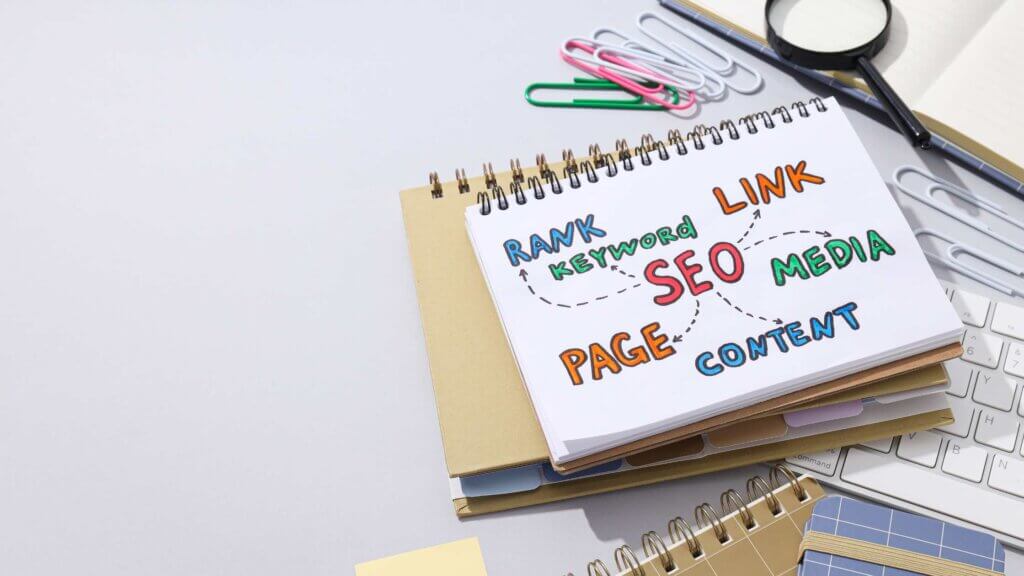
Treat your social presence like search results. Many users now search brands on Instagram or Twitter; use strategic keywords in your profiles, posts, and hashtags to improve visibility.
Create content that answers what customers search for: if people often ask how to use your product, post tutorials or FAQs with those terms.
Engage with relevant trending topics to increase reach. When someone Googles your brand or related terms, your social content should appear prominently.
For example, brand Glossier often shares screenshots of 5-star reviews on its official Instagram. When consumers search for Glossier, those positive posts rank highly and shape perception.
By combining SEO thinking with engaging content, you ensure favorable content appears before any complaints.
Effective social media reputation management ties these tactics together, helping positive narratives outrank negative ones in search results.
Frequently Asked Questions
1. What is social media reputation management?
Social media reputation management is the process of monitoring, influencing, and improving how a brand is viewed across social platforms. It includes responding to comments, handling feedback, and creating positive brand experiences.
2. Why is social media online reputation management important?
Social media online reputation management helps businesses build trust, maintain credibility, and protect their image from negative feedback or public criticism that may impact customer decisions.
3. How does social media and reputation management affect customer trust?
Social media and reputation management directly shape customer perception. Positive interactions, reviews, and responses increase trust and encourage users to engage with your business.
4. What are reputation management reviews and why do they matter?
Reputation management reviews are customer opinions and ratings posted online. They matter because people often read reviews before buying products or services.
5. How often should businesses monitor their online reputation?
Businesses should monitor their reputation daily. Regular tracking helps identify issues quickly and supports stronger social media reputation management efforts.
6. What tools help with reputation management social media efforts?
Monitoring dashboards, listening tools, sentiment trackers, and analytics platforms help businesses track conversations and improve reputation management social media strategies.
7. Can negative comments hurt a brand permanently?
Not always. Fast and professional responses can turn a negative experience into a positive one. Good social media online reputation management reduces long-term damage.
8. How can brands improve customer perception on social media?
Brands can improve perception by sharing valuable content, responding quickly, encouraging reviews, and maintaining consistency in social media and reputation management efforts.
9. What is the difference between SEO and social media reputation management?
SEO focuses on search visibility, while social media reputation management focuses on public perception and brand image across social platforms. Together they create stronger online authority.
Ready to strengthen your brand image and build lasting trust online? Icnofy Technologies delivers tailored Online Reputation Management services designed to protect, monitor, and enhance your digital presence.
From managing customer perception to creating stronger brand authority, our team helps your business stay ahead and maintain a positive reputation across every platform.
Connect with Icnofy Technologies today and take control of your online presence with confidence.