



Effective corporate reputation management is essential for building stakeholder trust and long-term success.
This report outlines ten proven strategies, such as transparent communication, proactive engagement, and continuous monitoring, that strengthen a company’s corporate reputation.
By applying these strategies, businesses can shape a positive public image and quickly address challenges.
Corporate reputation management is a continuous effort that requires coordination across the organization and alignment of all communications.
For example, aligning all communications and values demonstrates effective corporate reputation management in action.
Consumers often forgive mistakes by companies they trust, because a strong reputation built on integrity earns goodwill.
What is Corporate Reputation Management?

Corporate reputation management involves deliberate actions to shape and maintain a company’s public image.
Experts describe it as “sculpting your organization’s image” to align with stakeholder expectations. It applies to both online and offline channels (social media, search engines, traditional press).
In practice, it means monitoring public sentiment and reinforcing the company’s core values and performance. Corporate reputation depends on many factors.
For example, BrandMentions lists key factors influencing reputation including excellent customer service, strong ethical leadership, CSR initiatives, and transparency in responding to social issues.
A company’s overall reputation is based on how stakeholders perceive its past actions and predict its future behavior.
Many companies assign cross-functional teams (PR, marketing, customer service) to manage reputation, ensuring all messaging aligns with their values.
In fact, one guide calls reputation a company’s “most valuable asset” because a reputable firm is “more attractive to customers, partners, and shareholders”.
Why Corporate Reputation and Trust Matter

A strong reputation builds trust and drives results. Companies with positive images attract customers and investors and gain competitive advantage.
Neglecting corporate reputation management can result in lost loyalty and revenue. For example, 93% of customers expect companies to actively counter misinformation online, underscoring the importance of transparency.
DesignRush notes that good reputation enhances customer loyalty, sales, market presence and even employee retention. A well-managed reputation also reduces costs: satisfied customers require less persuasion, and loyal employees stay longer.
Companies with strong reputations can charge premium prices, recover from crises faster, and attract better partnerships. A strong public image can give you an edge in recruiting talent and convincing investors.
In short, investing in corporate reputation management improves credibility and creates long-term loyalty. Companies that invest in these practices often recover faster from negative events than those that ignore public perception.
1. Monitor Reputation and Listen Daily
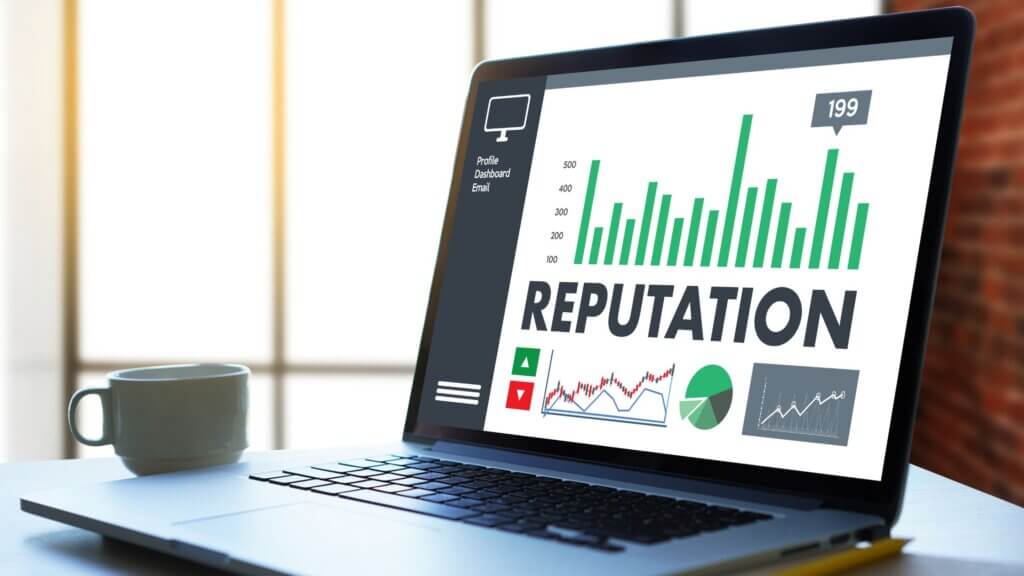
Daily monitoring is a foundational step in corporate reputation management. Track your brand’s mentions on social media, review sites, forums, and news outlets.
Using social listening tools or alerts lets you catch issues early.
Key Actions: set up listening software (e.g., Google Alerts), monitor relevant keywords, and review customer feedback (reviews, comments) regularly.
Metrics: track total mentions and the ratio of positive to negative sentiment over time. Also, monitor competitor mentions to benchmark your reputation and gauge your share of voice in the industry. Even small negative mentions can scale up if not addressed, so comprehensive listening is critical.
2. Engage Authentically with Audiences

Authentic engagement is a core part of any corporate reputation management strategy. Respond promptly and sincerely to customer comments and concerns.
Personalize replies, thank customers for feedback, and highlight positive experiences.
Actions: establish clear response protocols, use unified tools for customer communications, and empower your team to resolve issues quickly.
Metrics: average response time, customer satisfaction (CSAT) scores, and social media engagement rates. In fact, 73% of customers will switch brands if a company fails to respond on social media, so timely engagement is crucial.
Addressing a complaint quickly can turn a critic into an advocate; often dissatisfied customers update their negative feedback with praise after fast resolutions. Overall, authentic engagement builds trust by showing stakeholders that you listen and care.
3. Communicate Transparently, Especially During Crises

Transparency is a cornerstone of trust. Rapidly acknowledging mistakes and explaining solutions demonstrates responsibility.
Openly sharing accurate information builds credibility. For example, immediately issuing a public apology for a known issue and outlining a fix prevents rumors. Transparent companies tend to build stronger relationships and loyalty.
Actions: develop a crisis communication plan, train spokespeople, and provide frequent updates when issues arise.
Metrics: public sentiment after announcements, stakeholder trust surveys, and media tone. When companies announce issues and fixes openly, customer loyalty tends to remain higher because honesty often earns understanding rather than blame.
4. Create Positive Content (SEO and Storytelling)

Publish high-quality content (blogs, videos, press releases) that highlights your achievements, expertise, and values.
Optimize it for search engines so positive stories rank above any negative mentions.
Actions: regularly update your website and social channels with case studies, industry insights, and news. Consider investing in professional SEO services to improve search rankings for branded terms.
Metrics: search position for your brand’s name, website traffic to favorable content, and share of voice of positive mentions. Publishing thought leadership (e.g., executive interviews) can attract additional media attention, further building your company’s online presence.
5. Strengthen Corporate Values and CSR Initiatives
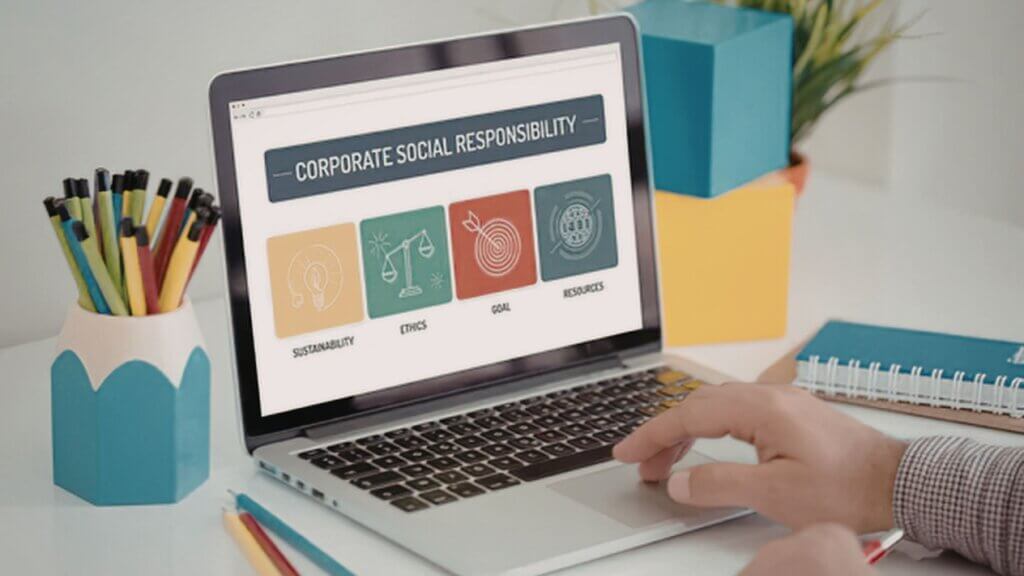
Demonstrating strong values through CSR (Corporate Social Responsibility) programs boosts trust and reputation.
CSR efforts (like environmental programs or charitable partnerships) are widely recognized as core drivers of reputation. Launch and publicize initiatives that align with your brand’s values.
Actions: incorporate CSR into marketing messages, publish impact reports, and engage employees in volunteering.
Metrics: media coverage of initiatives, customer sentiment around corporate values, and participation rates in CSR programs. For example, highlighting a new recycling initiative or volunteer day in communications can earn positive press and reinforce stakeholder goodwill.
6. Empower Employees as Brand Ambassadors

Employees greatly influence reputation. Train staff on company values and encourage them to share positive news and insights. Recognizing employee success in customer service reinforces your brand promise.
Actions: conduct internal workshops on reputation, set guidelines for employee social sharing, and celebrate culture wins.
Metrics: employee engagement and satisfaction scores, volume of employee-shared brand posts, and retention rates. When employees share genuine enthusiasm about their workplace, it broadens your reach. High employee advocacy amplifies your message through personal networks.
7. Encourage and Manage Customer Reviews

Customer reviews directly reflect your reputation. Actively solicit reviews and handle feedback professionally.
Actions: request reviews after purchases or services, respond promptly to all reviews (thanking positive reviewers and addressing complaints), and use feedback to improve.
Metrics: average star rating, number of new reviews, and changes in overall rating. Identifying repeated themes in feedback and acting on them shows customers that their opinions drive improvements, boosting trust. Many reputation management frameworks track review scores as key indicators of brand health.
8. Build Community and Partnerships

A strong network and community amplify reputation. Host events, participate in industry forums, or collaborate with organizations that share your values. Encourage user-generated content (e.g., branded hashtags or contests) to grow loyalty.
Actions: create online/offline customer communities, partner with trusted organizations, and feature community stories in content.
Metrics: social media engagement (likes, shares, mentions), growth of follower community, and referrals from partners. Many companies foster user communities where engaged customers help each other; these enthusiastic users often create fan content or local meet-ups, naturally expanding the brand’s reputation.
9. Prepare for and Practice Crisis Management

Even with vigilance, crises happen. Prepare clear protocols and train your team to respond swiftly.
Actions: define roles and approval processes for crises, draft template responses, and conduct response drills (like mock product recalls).
Metrics: incident response time, effectiveness of crisis communication (media sentiment), and recovery speed. For example, running a drill ensures the crisis team identifies and fixes procedural gaps before a real issue. Being prepared means you can act quickly to protect your image.
10. Measure, Analyze, and Refine Your Strategy

Successful corporate reputation management requires continuous improvement. Businesses should regularly evaluate their reputation strategies to understand what is working and where improvements are needed.
Tracking public perception helps companies adapt quickly and maintain a strong corporate reputation in changing markets. Consistent analysis also helps businesses identify customer expectations before competitors do.
Important areas to monitor
- Customer sentiment trends
- Review ratings and feedback
- Social media engagement
- Brand search visibility
- Customer retention rates
- Website traffic and trust signals
- Crisis response performance
- Online brand mentions
Businesses that consistently refine their strategies often maintain stronger trust and better long-term customer relationships.
Q&A on Corporate Reputation
Q: What is corporate reputation management?
It’s the ongoing process of shaping a company’s public image so it reflects its values. Experts define it as actions taken to maintain a strong brand image and repair damage. In practice, it means actively listening to stakeholders and consistently communicating your successes and values. For many companies, corporate reputation management is seen as a strategic imperative to ensure stakeholders’ perceptions are managed positively.
Q: Who are corporate reputation experts and what do they do?
They are professionals (often in PR or consulting) who guide businesses on managing their public image. They stress transparency, consistency, and proactive engagement. One expert says it’s about “sculpting your organization’s image” to align with expectations. These experts help implement the strategies above and align messaging across all channels. They coordinate initiatives so that everyone from executives to front-line staff is part of the company’s reputation management program.
Q: What is the role of corporate transparency in reputation management?
Transparency is key to building trust. Being honest about actions and setbacks strengthens credibility. For example, disclosing a product defect and explaining the fix prevents rumors and reassures stakeholders. Open communication during issues can “turn a potential disaster into an opportunity” to show commitment. Ultimately, transparent companies build stronger reputations and more loyal audiences.
By implementing these corporate reputation management strategies, organizations can proactively build public trust and resilience.
For expert guidance, Icnofy Technologies offers comprehensive reputation management services and professional SEO services to help solidify your corporate reputation.
Contact Icnofy Technologies to enhance transparency, engagement, and brand credibility in today’s competitive market. Our team will integrate these steps into your daily practices, ensuring your brand stays trusted and resilient.