



Online reputation marketing has become an essential part of business growth. Before making a purchase or contacting a company, most consumers search online to learn more about a brand’s credibility, customer experiences, and overall image. This is where reputation marketing plays a crucial role in influencing buying decisions and building trust.
What is Reputation Management?

Reputation marketing is the practice of building a positive perception of your brand. It involves leveraging customer testimonials, ratings, and other positive content to highlight the best aspects of your company.
Reputation marketing is proactive; it emphasizes good feedback and strengthens customer relationships, whereas reputation management is more reactive, focusing on damage control.
Specifically, online reputation marketing refers to managing your brand’s image on the internet (through social media marketing and content marketing) to boost visibility and trust.
A strong online reputation can directly boost sales. Studies show that up to 67% of consumers read online reviews before a purchase, and 88% trust those reviews as much as personal recommendations.
Businesses with many positive reviews can see a 15-20% increase in search traffic. In short, actively marketing your reputation builds credibility, online trust leads to sales, and trustworthy brands often outperform competitors in market value.
Why Does Online Reputation Marketing Matters?
Customers today often decide based on what they find online. Research indicates that 97% of people discover new products or services online, and nearly 9 in 10 regularly read online reviews. About 71% of consumers consider a rating of at least three stars a minimum requirement when evaluating a business online.
This means if someone Googles your company and sees mostly positive reviews and high ratings, they’re much more likely to choose you. Conversely, a single unresolved negative review can discourage potential customers.
Because of this, managing your online image is critical. A smart reputation marketing strategy ensures that favorable content appears first when people search for you.
It amplifies positive stories (testimonials, success case studies, media features) and dilutes the impact of any negatives.
This leads to more organic traffic and a higher conversion rate. Simply put, the more positive information customers see about your brand online, the more visible and attractive your business becomes.
Here are the 12 Online Reputation Marketing Tips:
1. Encourage Customer Reviews

Invite happy customers to share their experiences on review sites and social media. Offer easy links, QR codes, or follow-up emails asking for feedback.
Thanking customers publicly or offering small incentives can motivate others to write reviews. The more positive reviews you have, the higher your overall rating and search visibility.
(Studies show 93% of people read reviews before making a decision and 88% trust them, so every testimonial counts.) This is a fundamental online reputation marketing tactic.
2. Respond to Reviews Quickly

Always monitor review sites and social channels for comments. Reply promptly and professionally to all feedback, whether praise or criticism. One study found that over 75% of people who post critical reviews expect a response.
When you respond by fixing problems or thanking customers, it shows you care. In online marketing, responsiveness builds trust and signals to future customers that your business is attentive and reliable.
3. Optimize Your Website and Content
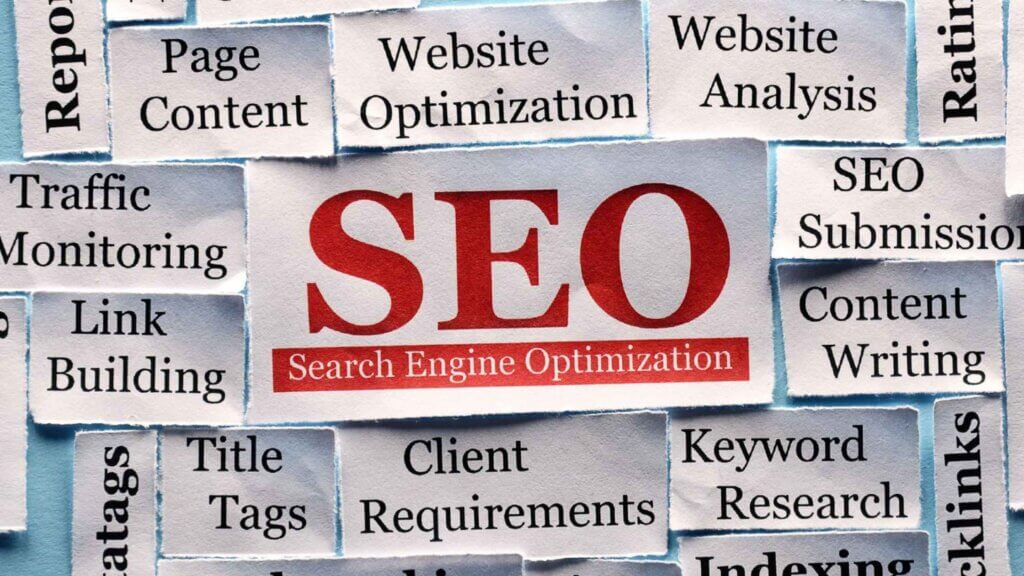
Ensure your website and blogs highlight your strengths and customer wins. Use relevant keywords (including variations of “reputation marketing” and local terms) in your content, titles, and meta descriptions.
Follow SEO best practices: craft clear headings, rich descriptions, and detailed, keyword-rich articles or landing pages.
Experts recommend publishing high-quality content and building authoritative backlinks to improve rankings. This SEO optimization also helps your online reputation marketing efforts by making positive content rank higher and be found by customers.
4. Claim and Update Local Listings
Make sure your business is accurately listed on Google Business Profile, Yelp, Bing, Apple Maps, and other directories.
Inconsistencies in name, address, or phone (NAP) can hurt local search rankings and credibility. Keep your profiles updated with correct details, business hours, and appealing photos.
Research shows many of local purchase journeys begin with an online search, so having current, complete listings means people can easily find and trust your business.
Maintaining accurate local listings is a key aspect of online reputation marketing.
5. Engage on Social Media

Post updates, promotions, and stories on Facebook, Instagram, LinkedIn, or wherever your audience is active. Since people spend roughly 36% of their online time on social platforms, sharing customer-focused content there is crucial.
Encourage customers to tag your business and share their experiences. Always acknowledge comments and messages, as over 3 in 4 consumers expect companies to respond on social media (73% customers expect a reply within 24 hours).
Prompt social engagement delights customers and also boosts your online marketing presence by showing that your brand is active and responsive.
6. Highlight Testimonials Everywhere

Display positive customer feedback prominently. For example, embed Google or Yelp review widgets on your website and landing pages.
Share customer quotes and success stories on your social profiles and in email newsletters. You can turn detailed reviews into blog case studies or short testimonial videos.
Weaving real customer stories into your content enhances credibility. The more people see authentic praise for your products or services, the more it reinforces your brand’s image. This visibility is a classic example of reputation marketing in action.
7. Leverage Public Relations
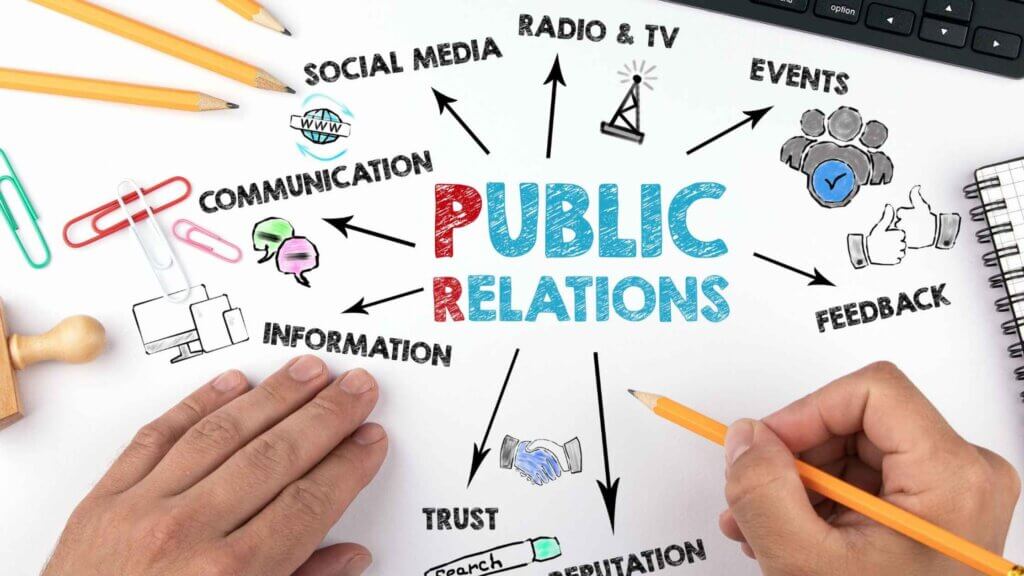
Use PR tactics to amplify your good news. Send out press releases for company milestones or new offerings, pitch feature stories to local media, and work with industry influencers to share your successes.
Public relations isn’t just for crisis control, it should proactively “amplify your brand” in the media. For example, sponsoring a local charity event or getting featured in a trade publication puts your name in front of new audiences.
Effective PR is also a form of online marketing presence, since favorable press coverage and partnerships boost your credibility and reach.
8. Focus on Customer Experience
Deliver outstanding service at every touchpoint. A seamless, friendly experience – from first website visit to after-sales support – naturally leads to positive reviews and referrals.
Research shows 86% of customers will abandon a brand after just one poor experience. By training staff, simplifying processes, and proactively gathering feedback, you can turn customers into advocates.
A great customer experience leads to better reviews and a stronger reputation, which in turn attracts more customers. This word-of-mouth and loyalty also benefit your online marketing presence by reinforcing positive perceptions.
9. Monitor Brand Mentions and Sentiment
Keep an eye on what people say about your business online. Use reputation management tools or services to track mentions on review sites, social media, forums, and news outlets.
Modern review-management software can analyze sentiment (positive or negative) and alert you to spikes in feedback. This way, you catch issues early and respond before they escalate.
Data-driven teams even use sentiment analysis to refine strategies and measure effectiveness. Monitoring this way is essential for effective online reputation marketing.
10. Promote User-Generated Content (UGC)

Encourage customers to create and share content about your brand. This could be photos of them using your product, video testimonials, or social posts tagged with your company hashtag.
UGC is highly trusted – around 8 in 10 consumers say it strongly influences their purchase decisions. When customers see real people praising your brand in everyday contexts, it’s powerful social proof. Feature UGC on your website and social channels (with permission).
Leveraging UGC in this way is a highly effective strategy within reputation marketing because it validates your offerings with authentic, third-party voices.
11. Invest in reputation management services
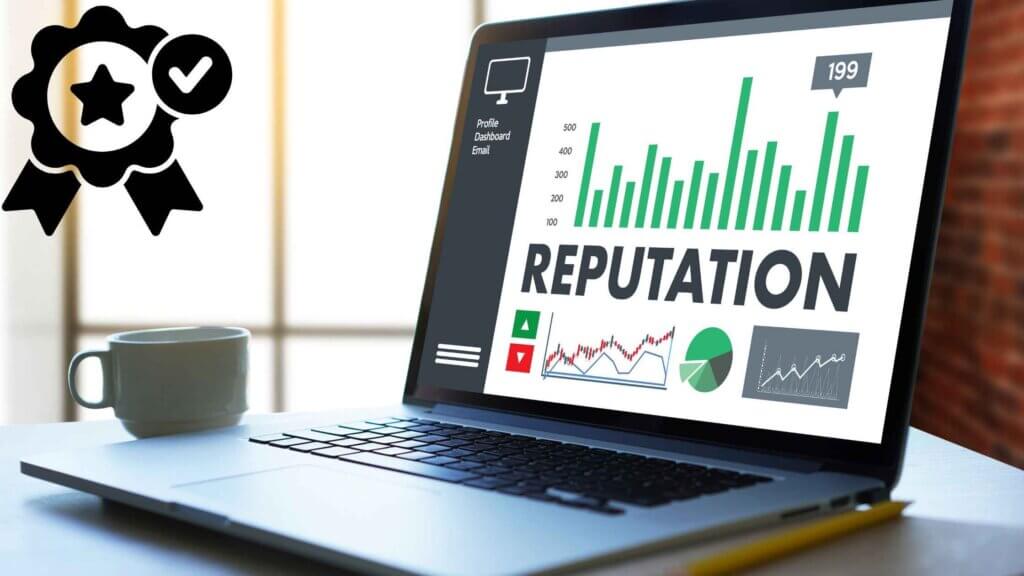
If maintaining your image feels overwhelming, consider professional help. An online reputation management services can audit your online presence, run review-generation campaigns, monitor feedback 24/7, and execute strategies to amplify your positive image.
Whether it’s targeted ads highlighting customer reviews or coordinated PR outreach, a dedicated service ensures consistency and expert oversight.
These services tie into your broader reputation marketing strategy, allowing you to focus on your business while experts build your brand’s positive narrative.
12. Gather Feedback with a Survey

Regularly ask customers for feedback through online surveys, opinion polls, review requests, or follow-up emails. This helps you measure customer satisfaction, identify potential issues early, and address concerns before they turn into negative online reviews or social media complaints.
Surveys also give your audience a voice-people appreciate being asked for input, which can improve their view of your brand.
Use survey insights to refine your offerings and to follow up (for example, inviting happy respondents to leave a review).
Collecting this feedback helps fuel your online marketing presence strategy over time, showing customers that you listen and care.
Reputation Marketing Examples

Reputation marketing examples help illustrate these tips. For instance, many businesses embed five-star reviews on their websites or share customer testimonials on social media to build credibility.
These tactics turn genuine feedback into promotional assets. As one expert notes, reputation marketing “highlights things like outstanding customer reviews for business and glowing testimonials,” making people more willing to buy.
Other examples include issuing press releases about satisfied clients, featuring user-generated photos or stories, and running campaigns that encourage new reviews.
Each example leverages real customer praise to reinforce the brand’s positive image online.
By implementing these 12 online reputation marketing tips, you will build stronger visibility, trust, and customer engagement.
Focus on generating positive content, being responsive to feedback, and promoting your best reviews – each of these strategies will help improve your search rankings and attract more clients.
Why Choose Icnofy Technologies
For professional help with these strategies, Icnofy Technologies offers expert reputation management services. Our team can optimize your listings, collect and showcase reviews, and execute a comprehensive marketing plan tailored to your business.
Contact Icnofy Technologies today to schedule a consultation and start seeing a stronger reputation and greater online visibility!
Frequently Asked Questions
1. What is online reputation marketing?
Online reputation marketing is the process of promoting positive customer experiences, reviews, testimonials, and brand mentions to improve visibility, trust, and credibility online.
2. Why is reputation marketing important for businesses?
A strong reputation marketing strategy helps businesses gain customer trust, improve search visibility, attract new customers, and increase conversion rates through positive social proof.
3. What are some reputation marketing examples?
Common reputation marketing examples include:
1. Sharing customer testimonials on your website
2. Highlighting positive online reviews
3. Posting customer success stories
4. Featuring user-generated content on social media
4. How do online reviews impact online reputation?
Online reviews significantly influence buying decisions. Positive reviews build trust, improve your online reputation, and encourage potential customers to choose your business over competitors.
5. Can online reputation marketing improve SEO rankings?
Yes. Effective online reputation marketing can generate fresh user-generated content, increase brand mentions, improve local search visibility, and boost click-through rates from search results.
6. How often should businesses monitor their online reputation?
Businesses should monitor their online reputation regularly, ideally daily or weekly, to respond quickly to customer feedback and maintain a positive brand image.
7. What role do social media platforms play in reputation marketing?
Social media platforms help businesses engage with customers, share positive feedback, promote success stories, and strengthen their reputation marketing efforts through direct interaction.
8. Should I invest in professional reputation management services?
If managing reviews, customer feedback, and brand perception becomes challenging, professional reputation management services can help maintain a positive image, improve visibility, and support long-term business growth.