



In an industry built on trust, credibility, and long-term relationships, financial advisor marketing cannot rely on generic tactics or one-size-fits-all strategies. Advisors who want sustainable growth must focus on one critical area: local visibility.
Prospects don’t usually search for “the best advisor in the world.” They search for someone nearby, familiar with local regulations, economic conditions, and community realities.
This is where effective marketing for financial advisors becomes a competitive advantage rather than an expense.
This guide outlines 18 proven, practical, and locally focused marketing strategies designed to help financial advisors increase visibility, attract qualified prospects, and build authority within their communities.
Why Local Visibility Matters More Than Ever

Today’s investors research before they reach out. They read reviews, check Google listings, browse social profiles, and consume educational content. This makes reputation management services a critical part of being visible and credible online.
When your local presence is weak, or your reviews and online reputation aren’t properly managed, prospects choose someone else, often before you even know they were searching.
Strong financial advisor marketing, supported by effective reputation management services, ensures that when people in your area need guidance, you’re the advisor they find, recognize, and trust.
1. Optimize Your Google Business Profile to Build Immediate Local Trust
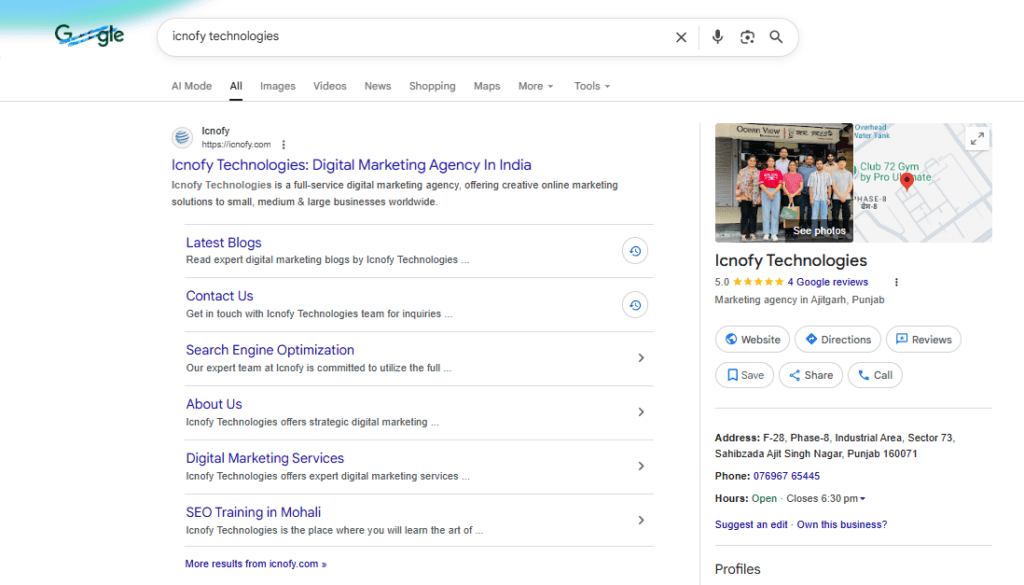
Your Google Business Profile (GBP) is one of the most powerful yet misunderstood tools in marketing for financial advisors. For many prospects, it is not just an information listing, it is a trust checkpoint. Before calling you or visiting your website, potential clients use your profile to answer three questions:
- Are you legitimate?
- Are you active and professional?
- Do others trust you?
If your profile looks incomplete, outdated, or generic, prospects often move on without contacting you.
How to Optimize It Properly
Start with your business description. Avoid corporate language and compliance-heavy phrasing. Instead, explain clearly:
- Who you help (retirees, business owners, families, professionals)
- What problems you solve
- What makes your approach different
Next, ensure your primary and secondary categories are accurate. Many advisors select broad or incorrect categories, which weakens visibility. Choose categories aligned with advisory services, not generic consulting.
Photos are another major trust factor. Upload:
- Exterior and interior office photos
- Team photos
- Local surroundings or recognizable landmarks
These visuals help prospects feel familiar with your practice before they ever walk in.
Finally, use Google Posts regularly. Posting market insights, event announcements, or educational tips signals activity and relevance. From a financial advisor marketing standpoint, this improves engagement and local rankings simultaneously.
2. Target Local Search Intent With Strategic SEO

Local SEO is not about ranking for broad financial terms. It is about appearing when someone in your area actively searches for guidance. This is high-intent traffic, and it converts better than almost any other channel.
Strong marketing for financial advisors focuses on search intent, not just keywords.
What Local SEO Actually Involves
First, your website must clearly communicate where you operate. This includes:
- City and region references in headlines
- Location mentions within service descriptions
- A dedicated contact page with full address details
Next, each core service should be optimized for local relevance. For example, instead of a generic “Retirement Planning” page, include contextual language that reflects your region’s demographics, tax environment, or economic conditions.
Internal linking also plays a key role. Blog posts should link to relevant service pages and local pages. This helps search engines understand your authority and geographic focus.
Unlike paid advertising, SEO is cumulative. Well-executed financial advisor marketing through SEO creates a long-term visibility asset that continues to generate leads without ongoing ad spend.
3. Create Dedicated Pages for Each City or Service Area You Serve

Many advisors try to rank locally using a single generic page that lists multiple locations. This approach rarely performs well because it lacks specificity. Search engines and users prefer clear, focused relevance.
If you serve multiple cities, each one deserves its own page.
Why Service-Area Pages Matter
Dedicated city pages allow you to:
- Address local financial concerns directly
- Use location-specific language naturally
- Improve conversion rates with relevant messaging
A well-structured service-area page should include:
- A clear headline referencing the city
- An explanation of how you serve clients in that area
- References to local industries, lifestyles, or demographics
- Testimonials or examples from nearby clients (when permitted)
- A strong call to action tailored to that location
From a marketing for financial advisors perspective, these pages help you rank more accurately and connect more effectively with local prospects who want a nearby, accessible advisor.
4. Publish Educational Content With a Strong Local Perspective

Education is one of the safest and most effective approaches in financial advisor marketing, especially in regulated environments. However, generic education does little to differentiate your practice.
Localized education is what turns content into authority.
How to Make Educational Content Local and Valuable
Instead of writing broad financial advice, tailor your content to reflect:
- State-specific regulations or tax considerations
- Regional economic trends
- Common financial challenges faced by local residents
For example, content that explains how retirement planning differs based on state tax laws or how local business owners can manage cash flow resonates far more than general advice.
Educational content also supports other marketing channels. Blog posts can be shared in email newsletters, referenced during consultations, and repurposed for social media.
When done correctly, this approach positions you not just as an advisor, but as a local financial educator, strengthening long-term marketing for financial advisors efforts.
5. Build and Manage Online Reviews as a Trust System

In local decision-making, reviews function as modern-day referrals. For financial services, where trust is critical, reviews often determine whether a prospect contacts you or continues searching.
Strong financial advisor marketing treats reviews as an ongoing system, not a one-time activity.
How to Build Reviews the Right Way
The timing of review requests matters. Ask clients when they are most satisfied, after a successful review meeting, milestone achievement, or long-term engagement.
Make the process easy:
- Provide a direct review link
- Offer clear, simple instructions
- Avoid pressure or scripted requests
Once reviews come in, respond to them professionally. A thoughtful response shows attentiveness and reinforces trust for anyone reading your profile later.
From a marketing for financial advisors perspective, reviews improve local SEO, increase click-through rates, and significantly reduce skepticism before first contact.
6. Host Educational Seminars and Workshops in Your Local Community

While digital marketing dominates many industries, in-person education remains highly effective for advisors. Local workshops allow prospects to experience your expertise without commitment or pressure.
This form of financial advisor marketing works because it builds trust before any sales conversation begins.
How to Run Effective Local Workshops
Choose one clear topic per event. Avoid covering too much. Focus on a specific problem such as retirement readiness, market volatility, or tax efficiency.
Structure the session to:
- Educate first, sell never
- Use plain language, not industry jargon
- Encourage questions and discussion
- Provide takeaway materials
After the event, follow up with attendees by sharing educational resources or summaries. Workshops are not about immediate conversion, they are about building familiarity and confidence.
7. Form Strategic Partnerships With Local Professionals

Partnerships allow you to borrow trust from other respected professionals. When done well, they are one of the most cost-effective tools in marketing for financial advisors.
Who to Partner With and Why
The best partners serve the same audience but do not compete with you. Common examples include:
- Accountants and CPAs
- Estate planning attorneys
- Real estate professionals
- Business advisors
These partnerships can lead to:
- Joint educational events
- Co-authored content
- Mutually beneficial referrals
Strong partnerships extend your local reach while reinforcing credibility, making them a cornerstone of sustainable financial advisor marketing.
8. Establish Authority Through Local Media and Public Relations

Local media exposure positions you as an expert rather than a promoter. Being quoted or featured in local outlets creates third-party validation, one of the strongest trust signals available.
This is a highly underused area in marketing for financial advisors.
How to Get Local Media Attention
Start by positioning yourself as a resource:
- Offer commentary on market changes
- Provide educational insights for seasonal financial topics
- Share local economic perspectives
Reach out to journalists, editors, or local publications with concise, value-driven pitches. Avoid self-promotion; focus on helping their audience understand financial topics.
Even a single mention can dramatically enhance credibility and brand recognition within your community.
9. Use Email Marketing to Stay Consistently Visible at the Local Level

Email marketing is not about selling services, it’s about staying present until prospects are ready. In marketing for financial advisors, email works because financial decisions are rarely immediate. People need time, education, and reassurance.
How to Use Email the Right Way
Your email content should feel relevant and timely, not promotional. Effective local email newsletters often include:
- Local or regional market updates
- Seasonal financial reminders (tax season, year-end planning)
- Educational insights related to current economic conditions
- Community involvement or event announcements
Consistency matters more than frequency. A well-written monthly email builds familiarity over time. When prospects finally decide to seek help, your name feels known and trusted, an essential outcome of strong financial advisor marketing.
10. Run Geo-Targeted Digital Advertising With Clear Intent

Paid advertising becomes effective only when it is precise and purposeful. Broad campaigns waste budget and attract unqualified leads. Smart marketing for financial advisors uses geographic targeting to reach people who can realistically become clients.
Best Practices for Local Paid Ads
Successful geo-targeted campaigns focus on:
- Specific cities, zip codes, or service areas
- Clear educational messaging, not aggressive sales language
- Landing pages designed for local audiences
- Retargeting users who visited your site but didn’t convert
Local ads should answer one question clearly: Why should someone in this area choose you? When ads are aligned with local intent, they support, not replace, long-term financial advisor marketing strategies.
11. Use Video to Humanize Your Local Brand

Video helps prospects feel comfortable before the first meeting. In financial services, familiarity reduces hesitation, making video a powerful tool in marketing for financial advisors.
What Kind of Video Works Best Locally
You don’t need studio production. Simple, authentic videos perform better. Effective formats include:
- Short market updates explained in plain language
- Educational videos answering common client questions
- Office or team introductions
- Commentary on local economic developments
Posting videos on your website, Google profile, and social platforms reinforces trust and personality, two elements that written content alone can’t fully convey in financial advisor marketing.
12. Sponsor Local Events to Build Community Recognition

Event sponsorship works when it’s intentional, not random. The goal is not just logo placement, but association with the community you serve.
How to Sponsor Strategically
Choose events that attract your ideal audience, such as:
- Charity fundraisers
- Professional networking events
- Educational programs
- Community festivals
When possible, combine sponsorship with participation, attending the event, speaking briefly, or offering educational materials. This turns passive visibility into active engagement, strengthening marketing for financial advisors at a local level.
13. List Your Practice in Trusted Local and Professional Directories

Local directories act as credibility signals for both search engines and prospects. Inconsistent or missing listings weaken your visibility and trust.
How to Use Directories Effectively
Focus on quality over quantity. Prioritize:
- Chamber of Commerce listings
- Professional associations
- Local business directories
- Industry-specific platforms
Ensure your name, address, and contact details are consistent everywhere. This consistency supports local SEO and reinforces legitimacy, both critical to effective financial advisor marketing.
14. Offer Complimentary Local Financial Consultations to Lower Entry Barriers

One of the biggest obstacles in marketing for financial advisors is hesitation. Many prospects know they need help, but they delay reaching out due to uncertainty, fear of being sold to, or cost concerns.
A complimentary consultation removes that friction.
How to Position Free Consultations Effectively
The key is framing the offer as education, not obligation. Examples include:
- Retirement readiness checkups
- Portfolio health reviews
- Tax-efficiency assessments
- Financial clarity sessions
Make it clear what the prospect will gain, not what you’ll pitch. Outline the structure of the session so expectations are set. This transparency builds trust before the first conversation begins.
From a financial advisor marketing perspective, free consultations convert curiosity into qualified conversations while demonstrating value upfront.
15. Showcase Community Involvement to Strengthen Local Connection

People prefer working with advisors who feel rooted in their community. Highlighting community involvement builds emotional trust and familiarity, two powerful decision drivers.
This is an often-overlooked aspect of marketing for financial advisors.
How to Highlight Community Engagement Authentically
Focus on real participation, not self-promotion. Share:
- Local events you attend or support
- Educational initiatives you contribute to
- Charitable activities or sponsorships
- Volunteer work or community partnerships
Use your website, email newsletters, and social media to document involvement naturally. When prospects see your ongoing presence, your brand feels approachable and relatable, critical for effective financial advisor marketing.
16. Build a Client-Friendly Referral System That Feels Natural

Referrals remain one of the strongest growth drivers, but many advisors approach them awkwardly or inconsistently. The most effective referral systems feel organic, not transactional.
Strong marketing for financial advisors integrates referrals into relationships, not scripts.
How to Encourage Referrals Without Pressure
Start by clearly communicating:
- Who you help best
- The types of clients you specialize in
- The problems you solve
When clients understand this, referrals happen naturally. Reinforce the behavior by expressing appreciation and maintaining excellent service, not by aggressive follow-ups.
A relationship-driven referral system compounds trust and accelerates financial advisor marketing over time.
17. Track and Measure Local Marketing Performance Regularly

Without measurement, marketing becomes guesswork. Advisors who consistently grow locally treat data as feedback, not just numbers.
Effective marketing for financial advisors relies on visibility into what works, and what doesn’t.
What to Track for Local Growth
Focus on actionable metrics:
- Local keyword rankings
- Website traffic by location
- Conversion rates on local pages
- Call and form inquiry sources
- Event attendance and follow-ups
- Google Business Profile engagement
Review performance regularly and refine strategies accordingly. Tracking ensures your financial advisor marketing efforts improve over time instead of remaining static.
18. Balance Compliance With Visibility and Education

Compliance is essential, but silence is not a requirement. Many advisors limit their visibility out of caution, unintentionally weakening their local presence.
The most effective marketing for financial advisors balances compliance with clarity.
How to Stay Visible While Remaining Compliant
Focus on:
- Educational, non-promotional content
- Clear disclaimers where required
- Avoiding performance promises
- Using approved messaging frameworks
Education-first marketing builds trust without crossing regulatory lines. Advisors who master this balance remain visible, credible, and confident in their financial advisor marketing approach.
Final Thoughts: Local Authority Is the Real Competitive Edge
Advisors who win locally don’t rely on luck or referrals alone. They invest in visibility, education, and trust, consistently.
Effective financial advisor marketing isn’t about chasing trends. It’s about becoming the most recognizable and trusted financial professional in your community. When marketing for financial advisors is executed with patience and precision, it creates long-term growth, stronger relationships, and lasting relevance.
Local visibility isn’t optional anymore, it’s the foundation of modern advisory success. If you want a results-driven financial advisor marketing strategy tailored for local visibility, Icnofy Technologies can help. From building a data-backed financial advisor marketing plan to executing the best financial advisor marketing solutions, our experts focus on measurable growth and qualified leads.
Frequently Asked Questions (FAQs)
1. What is a financial advisor marketing strategy?
A financial advisor marketing strategy outlines tactics to attract local clients using SEO, content, referrals, and consistent brand messaging effectively.
2. Why is local visibility important for financial advisors?
Local visibility helps advisors reach nearby prospects, build trust, increase credibility, and convert searches into long-term client relationships successfully faster.
3. What is the best financial advisor marketing for small practices?
Best financial advisor marketing for small practices focuses on local SEO, referrals, content marketing, and strong community engagement efforts consistently.
4. How does a financial advisor marketing plan improve client acquisition?
A financial advisor marketing plan improves client acquisition by defining goals, targeting audiences, tracking results, and refining campaigns strategically consistently.
5. Which digital channels work best for financial advisor marketing?
Effective financial advisor marketing uses local search, blogs, email newsletters, LinkedIn, and testimonials to educate prospects and build trust locally.
6. How long does a financial advisor marketing strategy take to work?
Financial advisor marketing strategy results vary, with ads working quickly while SEO and content require patience and long-term consistency commitment.
7. Is content marketing effective for financial advisors?
Content marketing is essential for financial advisors, answering questions, improving SEO, building authority, and supporting the best financial advisor marketing.
8. How often should a financial advisor marketing plan be updated?
A financial advisor marketing plan should be reviewed quarterly to adapt strategies, improve performance, and stay aligned with business goals.
9. Can social media improve local financial advisor marketing?
Social media supports financial advisor marketing strategy by boosting local engagement, sharing education, nurturing relationships, and increasing brand awareness locally.
10. What makes the best financial advisor marketing stand out?
The best financial advisor marketing stands out through personalization, transparency, local expertise, consistent value delivery, and client-focused communication strategies effectively.