


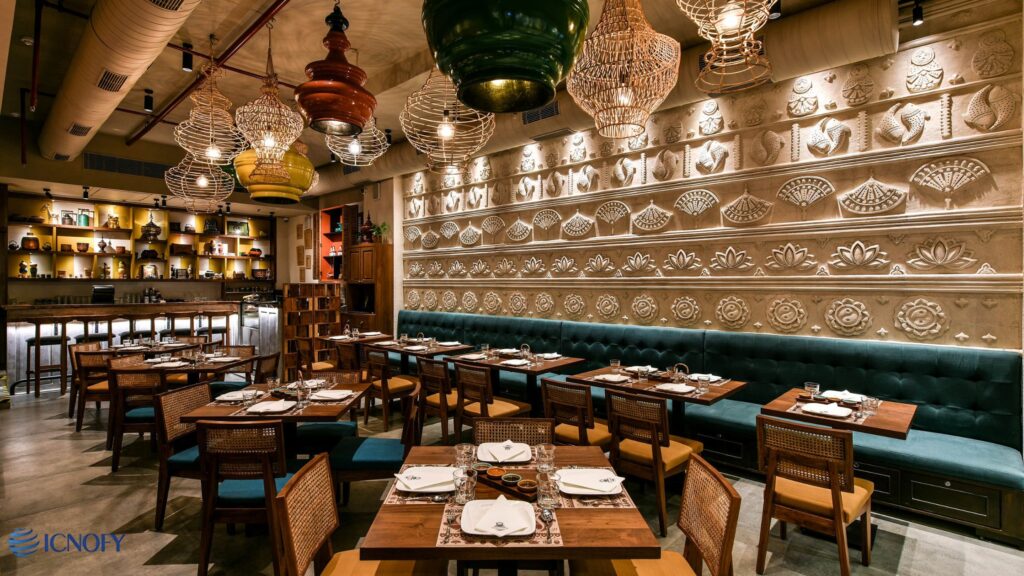
A restaurant can serve excellent food and still have empty tables. Great food creates satisfaction once a customer arrives, but marketing creates the opportunity for that visit to happen in the first place. And that opportunity increasingly begins online. The National Restaurant Association’s 2026 research found that 80% of consumers use online review platforms, 67% use social media, and 58% use delivery platforms when making restaurant choices while traveling.
That shift makes marketing for restaurants far more than a collection of social posts, discounts, or promotional campaigns. Customers can discover a restaurant through search, social media, reviews, maps, recommendations, videos, and ordering platforms before they ever walk through the door. The challenge is no longer simply getting noticed. It is creating enough visibility and trust to turn that initial discovery into an actual visit.
For restaurant owners, the challenge is deciding what deserves attention first. Posting every day does not automatically create customers, and offering discounts every week can quickly become expensive without building lasting loyalty. Effective marketing for restaurants begins with understanding the customer, the local market, the restaurant’s position, and the moments when people decide where to eat.
This guide explains how to build that system, where restaurant marketing ideas fit into the customer journey, and how to measure whether your efforts are contributing to visibility, visits, orders, and repeat business.
What Modern Restaurant Marketing Actually Means: Marketing for Restaurants
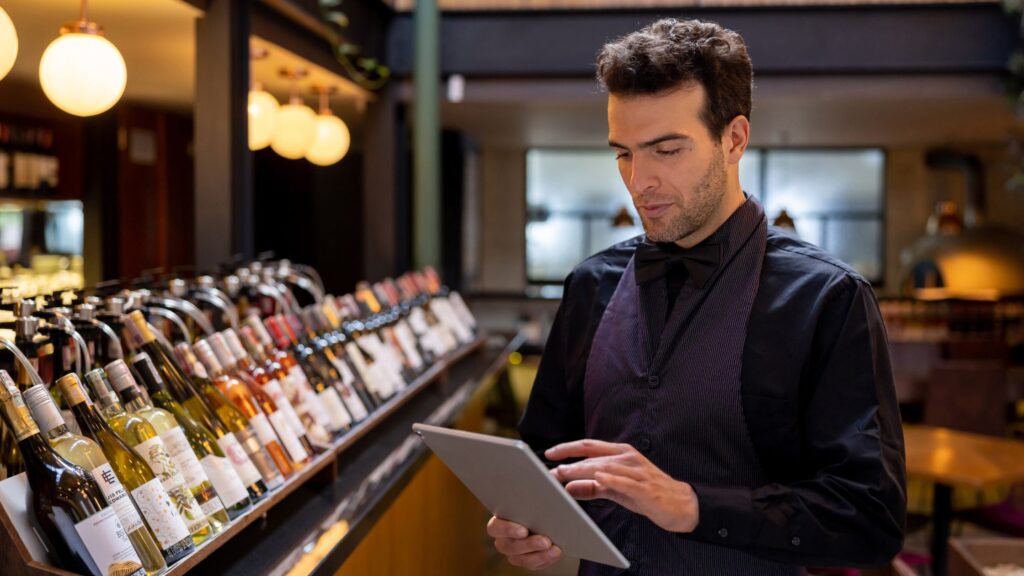
Marketing for restaurants covers every activity that helps a dining business attract, persuade, serve, and retain customers. It includes online and offline channels, but the strongest strategies connect them instead of treating each one as a separate task.
That connected approach matters because today’s restaurant customer can move between several touchpoints before and after a purchase. DoorDash’s 2026 Restaurant Industry Trends Report, based on a survey of more than 3,000 U.S. consumers and 500+ restaurant operators, found that 64% of consumers would prefer one app for managing delivery, pickup, and reservations. The finding points to a broader expectation for convenience and consistency across the restaurant experience.
The customer journey may look like this:
- Someone searches for a restaurant nearby.
- They compare photos, menus, ratings, prices, and opening hours.
- They visit a social profile and watch a short video.
- They check recent reviews before deciding.
- They visit the website or ordering page.
- They make a reservation, order food, or walk in.
- After the experience, they may leave a review or recommend the restaurant.
- A later message, loyalty offer, or new menu item gives them a reason to return.
Every stage creates a marketing opportunity. The goal is not to make every channel identical, but to make the experience feel connected. A customer who discovers a restaurant on social media should be able to find accurate information when they search. Someone who visits the website should be able to move easily toward a reservation or order. After the visit, relevant communication can help turn a one-time customer into a returning one.
This is why restaurant marketing ideas should not be judged only by likes or impressions. A post that receives fewer views but drives reservations can be more valuable than a viral post that produces no customers. The real measure is whether each activity helps move the customer closer to a visit, order, recommendation, or repeat purchase.
Know Your Customers Before Building Marketing for Restaurants

One of the biggest mistakes in marketing for restaurants is choosing platforms before understanding the people being served.
A family restaurant, a premium dining room, a neighborhood café, and a quick-service outlet may operate in the same city but attract very different audiences. Their customers have different budgets, schedules, motivations, and expectations.
Before building campaigns, answer:
- Who is the ideal customer?
- Why do they choose this type of restaurant?
- What occasions bring them in?
- What stops them from visiting?
- What questions do they ask before ordering?
- Which dishes or experiences are most important to them?
- How far are they willing to travel?
- What would make them return?
These answers shape the message, offers, content, and channels.
Build a Simple Customer Profile
You do not need a complicated research document. Start with practical information such as age range, location, dining habits, preferred cuisine, spending range, and typical visit occasion.
Then identify intent. Someone searching “best dinner near me” has a different need from someone searching for “birthday dinner ideas.” The first may be ready to choose immediately; the second may be planning an occasion.
Understanding these differences makes restaurant marketing ideas more relevant and less repetitive.
Build a Digital Foundation for Marketing for Restaurants

Strong marketing for restaurants depends on accurate information. If a customer sees one opening time on a social profile and another on the website, confidence drops quickly.
Your website can also play a direct role in the decision to visit. A Toast survey of adults who had recently dined at restaurants found that 32% of diners check a restaurant’s website before visiting. That makes basic details such as your menu, location, hours, photographs, and reservation options more than simple website information-they are part of the customer’s decision-making process.
Your basic digital foundation should include:
- A fast, mobile-friendly website.
- A clear menu with current prices where appropriate.
- Accurate location and contact details.
- Current opening hours.
- High-quality food and interior photographs.
- Reservation or ordering information.
- A properly maintained business profile on search and maps.
- Consistent branding across important platforms.
The website should answer the questions a hungry customer has immediately. What do you serve? Where are you located? When are you open? What does the food look like? Can I reserve a table or order now?
Do not make visitors search through several pages to find the menu.
Make Mobile Experience a Priority
People often research restaurants while walking, commuting, shopping, or deciding what to eat that same day. A website that is difficult to use on a phone creates friction at precisely the wrong moment.
Check that buttons are easy to tap, menus load quickly, photographs do not slow the page, and reservation or ordering actions are obvious.
Use Local Search to Strengthen Marketing for Restaurants
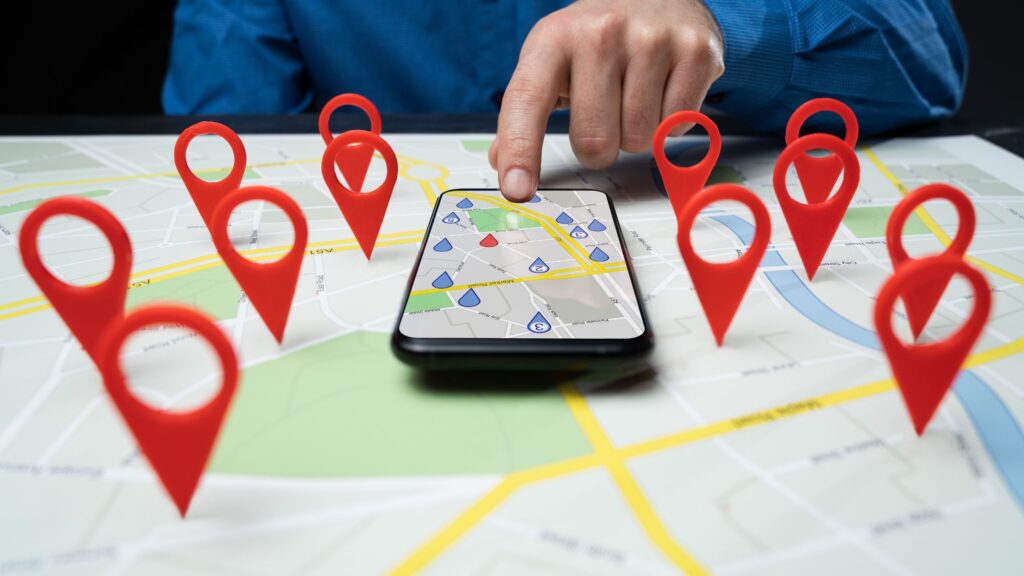
Local search should be central to marketing for restaurants because customers usually want a place they can actually visit or order from. Google explains that local search rankings are primarily determined by relevance, distance, and prominence. Businesses with complete and accurate information, relevant details, and strong customer reviews are more likely to appear when nearby customers search for restaurants.
Your local strategy should focus on relevance, accuracy, proximity, and trust. Create useful website pages around your location and cuisine that genuinely help visitors. Keep business information consistent across platforms, encourage authentic customer reviews, and maintain an up-to-date business profile.
Search-focused restaurant marketing ideas can include:
- Creating pages for important neighborhoods you genuinely serve.
- Publishing useful local dining content.
- Optimizing menu and service information.
- Adding descriptive image information.
- Maintaining accurate business listings.
- Responding professionally to customer reviews.
- Building relevant local mentions and relationships.
Avoid stuffing location names into every sentence. Google recommends creating helpful, reliable content for people rather than pages designed primarily to manipulate search rankings. Focus on providing useful information that answers customer questions and accurately represents your restaurant.
Turn Your Menu Into Searchable Content
A menu is more than a PDF. It can help customers understand what makes your restaurant different.
Describe signature dishes naturally. Explain dietary options when relevant. Mention cuisine style, meal occasions, and service options. If your menu changes seasonally, update the page instead of leaving old information online.
Using Social Media to Strengthen Marketing for Restaurants

Visual platforms fit naturally into restaurant marketing ideas because food is inherently visual. But the goal is not to make every post look like an advertisement.
Show the experience.
Content can include:
- Signature dishes are being prepared.
- Short kitchen moments.
- Staff introductions.
- Customer celebrations with permission.
- New menu launches.
- Behind-the-scenes preparation.
- Seasonal ingredients.
- Dining-room atmosphere.
- Short answers to common customer questions.
- Local events or community involvement.
A useful content mix gives people several reasons to follow you. Some posts create appetite. Others build trust. Others provide information or give customers a reason to visit.
Make Short-Form Video More Human
Short videos can show details that static photographs cannot. Steam rising from a dish, a chef finishing a plate, a busy dining room, or a dessert being served can communicate atmosphere within seconds.
Do not overproduce everything. A simple, well-lit clip with a strong opening can feel more authentic than a heavily scripted advertisement.
Review Management

A restaurant’s reputation can influence the decision before the customer ever contacts the business. Reviews provide social proof, reveal customer concerns, and show potential diners what the experience may be like.
That makes review management an important part of marketing for restaurants.
Ask satisfied customers for honest feedback without pressuring them to leave a positive review. Respond to reviews thoughtfully. Thank people for compliments, acknowledge legitimate problems, and avoid defensive arguments.
Negative feedback can reveal operational problems that marketing cannot fix. If several customers mention slow service, confusing ordering, or inconsistent dishes, the answer may be process improvement rather than another campaign.
Turn Customer Feedback Into Content
With permission, customer comments can become useful social proof. You can also turn recurring questions into posts, website FAQs, videos, or staff training topics.
This creates a valuable loop: customer feedback improves the experience, and the improved experience creates stronger marketing material.
Loyalty and Marketing for Restaurants
Discounts can attract attention, but constant discounting can train customers to wait for the next offer. Better restaurant marketing ideas give customers reasons to return without making price the only attraction.
Consider:
- Visit-based rewards.
- Birthday or anniversary benefits.
- Early access to new dishes.
- Members-only events.
- Referral rewards.
- Personalized offers.
- Seasonal experiences.
- Rewards for trying selected menu items.
The objective is to increase customer lifetime value, not simply create a temporary sales spike.
Use First-Party Customer Data Carefully
If customers voluntarily provide an email address or phone number, use that permission responsibly. Segment messages according to useful differences such as visit frequency, preferences, or engagement.
A customer who visits every week does not need the same message as someone who has not returned for six months.
Personalization should feel helpful, not intrusive.
Marketing for Restaurants Around Real Occasions
The best campaigns often begin with a customer occasion rather than a marketing calendar.
Think about moments when people naturally need a restaurant:
- Birthdays.
- Anniversaries.
- Family gatherings.
- Date nights.
- Business lunches.
- Weekend outings.
- Festivals and holidays.
- Game nights.
- Community events.
- Seasonal celebrations.
Unique restaurant marketing ideas become easier to develop when you ask, “What is the customer trying to celebrate, solve, or enjoy?”
For example, instead of simply promoting a discount, create a complete date-night experience, family meal package, tasting event, or seasonal menu story.your restaurant details are online and up to date, including address, phone number, hours, your current menu, etc.
Using Paid Advertising to Strengthen Marketing for Restaurants
PPaid advertising can accelerate visibility, but only when campaigns have a clear objective. Spending money to “get more awareness” without defining the next action makes performance difficult to evaluate.
Restaurant marketing ideas for paid campaigns may include:
- Promoting a new location.
- Filling reservations during slower periods.
- Driving orders for a specific service.
- Introducing a seasonal menu.
- Reaching people within a defined local area.
- Retargeting visitors who already showed interest.
Use location and timing intelligently. A restaurant does not need to advertise equally to people hundreds of miles away when its customers are local.
Match the Landing Page to the Advertisement
If an advertisement promotes a special menu, send visitors directly to that menu or booking page. Do not send them to a generic homepage and expect them to find the offer themselves.
The fewer unnecessary steps between interest and action, the better.
Use Unique Restaurant Marketing Ideas Without Losing Your Brand

Creativity matters, but random novelty can confuse customers. The strongest campaigns feel like natural extensions of the restaurant.
A playful café can use humor. A family restaurant may focus on shared experiences. A premium dining concept can emphasize craftsmanship and atmosphere.
Before launching a campaign, ask:
- Does this fit our brand?
- Does it appeal to our audience?
- Is the offer easy to understand?
- Can staff deliver the experience?
- Can customers share it naturally?
- What business result should it produce?
If the idea is entertaining but impossible to execute consistently, it is not a strong strategy.
A useful way to prioritize restaurant marketing ideas is to rank each activity by customer impact, cost, effort, and measurability. Start with the actions closest to revenue, then improve awareness and retention.
This keeps the plan manageable, gives the team priorities, and makes it easier to understand which experiments deserve more time or budget. This supports steady growth.
Measure What Moves the Business
A modern marketing plan needs measurement. Vanity metrics can be useful for understanding content, but they should not become the final scorecard.
Track metrics such as:
- Website visits from local search.
- Menu views.
- Reservation requests.
- Online orders.
- Calls and direction requests.
- New and returning customers.
- Review volume and sentiment.
- Email engagement.
- Offer redemption.
- Cost per customer acquisition.
- Revenue attributed to campaigns.
The right metrics depend on the business model. A reservation-focused restaurant may prioritize bookings, while a delivery-focused operation may focus on orders and repeat purchase rate.
Review Results Monthly
Do not change strategy every few days. Give campaigns enough time to produce meaningful information, then review what happened.
Ask:
What brought people in?
What content created action?
Which offers attracted the wrong audience?
Which channels produced repeat customers?
What customer complaints appeared repeatedly?
What should be stopped, improved, or tested next?
This turns marketing from guesswork into a learning process.how you’re an invested member of the community. Customers appreciate local businesses supporting each other.
Restaurant Marketing Ideas for Small Business

Smaller restaurants often have fewer people, smaller budgets, and less time. That does not mean they need a weaker strategy. In fact, local businesses can often compete through personality, speed, community knowledge, and customer relationships.
Practical restaurant marketing ideas for small business include:
- Optimize the business profile customers use to find you.
- Photograph a small selection of signature dishes well.
- Ask happy customers for honest reviews.
- Create a simple loyalty offer.
- Build relationships with local communities.
- Publish useful local content.
- Reuse one strong piece of content across several channels.
- Test one campaign at a time.
- Track calls, bookings, orders, and repeat visits.
Focus beats volume. A small restaurant with a clear identity and consistent execution can build stronger recognition than a larger competitor that communicates without direction.
Building a Complete Approach to Marketing for Restaurants
The strongest restaurant marketing ideas are not isolated tricks. They work because they connect discovery, trust, conversion, experience, and retention.
A customer may first see a short video, then search the restaurant, read reviews, check the menu, visit the location, and later receive a relevant invitation to return. Each touchpoint contributes to the same relationship.
That is the real shift in modern marketing for restaurants. The goal is not to be everywhere. The goal is to make every important customer interaction clearer, more useful, and more memorable.
Turn Marketing Into a Growth System
If your restaurant is posting regularly but still struggling to bring in consistent customers, the problem may not be your effort. It may be your direction. Effective marketing connects your local visibility, content, reputation, advertising, website experience, and customer retention into one strategy built around measurable goals.
Icnofy Technologies helps restaurants move beyond disconnected marketing activities and build a digital presence designed to support real business growth. From identifying valuable search opportunities and improving local visibility to creating engaging content and strengthening customer journeys, our approach focuses on turning online attention into meaningful action.
Ready to attract more customers and build a stronger digital presence for your restaurant? Explore Icnofy Technologies’ online marketing service and let’s create a strategy that helps your restaurant get discovered, chosen, and remembered.
Your restaurant already has something worth sharing. Now, make sure the right customers find it, trust it, and have a reason to come back.
Frequently Asked Questions
1. What is marketing for restaurants?
Marketing for restaurants is the process of attracting new diners, building trust, increasing visits or orders, and encouraging repeat business through coordinated online and offline activities.
2. What are some restaurant marketing ideas that actually work?
Effective restaurant marketing ideas usually connect a real customer need with a clear action. Examples include local search optimization, strong visual content, review generation, loyalty programs, occasion-based campaigns, email marketing, community partnerships, and targeted advertising.
3. What are unique restaurant marketing ideas?
Unique restaurant marketing ideas do not have to be complicated. They can include chef-led experiences, customer storytelling, limited seasonal menus, local collaborations, themed dining events, or campaigns built around the restaurant’s personality.
4. What are restaurant marketing ideas for small business?
Restaurant marketing ideas for small business should prioritize affordable activities with measurable outcomes, such as local SEO, reviews, community partnerships, social content, loyalty offers, email communication, and carefully targeted advertising.
5. What are the types of marketing for restaurants?
The main types of marketing for restaurants include local SEO, social media, content marketing, email marketing, paid advertising, reputation management, loyalty marketing, community marketing, and offline promotion.